
Artificial Intelligence is rapidly transforming Human Resources—from automated payroll systems to AI-driven hiring platforms and compliance monitoring tools. But as organizations scale globally, a critical question emerges:
Can AI fully replace HR compliance teams?
The short answer: No. AI can enhance HR compliance—but it cannot fully replace the strategic, legal, and human expertise behind it.
This is where PEO (Professional Employer Organization) and EOR (Employer of Record) services remain essential, especially for companies expanding across borders with the support of providers like KuddleandCo.
The Rise of AI in HR Compliance

Automated Compliance Monitoring
AI tools can scan employment laws, flag policy inconsistencies, and alert HR teams about potential compliance risks in real time.
Smart Document Processing
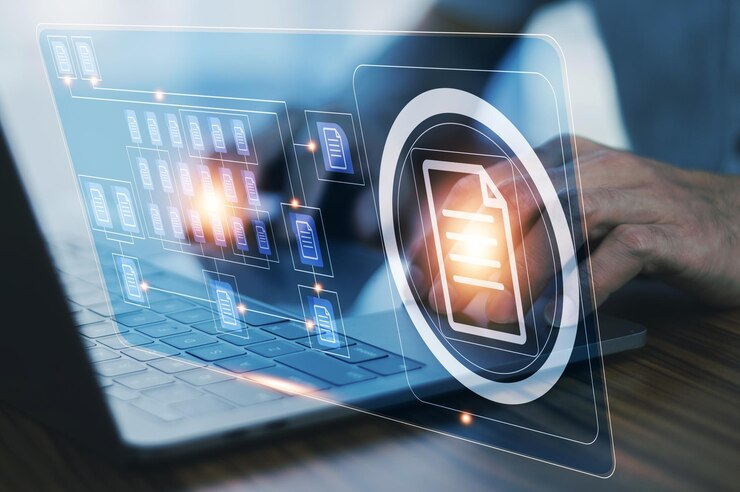
Contracts, employee records, and onboarding documents can now be processed, categorized, and verified using machine learning systems.

Payroll and Tax Calculations
AI reduces human error in payroll computations and helps align tax deductions with regional requirements.

Risk Detection Systems
Predictive analytics can identify anomalies such as wage discrepancies, attendance issues, or unusual workforce patterns.
While these capabilities are powerful, they still operate within a limited framework: data interpretation—not legal accountability or strategic decision-making.
Where AI Falls Short in HR Compliance
Legal Interpretation Requires Human Expertise
Labor laws vary significantly across countries and are often open to interpretation. AI cannot fully understand nuance, intent, or legal context.
Accountability Cannot Be Automated
When compliance failures occur, organizations—not algorithms—are held legally responsible.
Cross-Border Employment Complexity
Hiring internationally involves tax treaties, benefits structures, and labor classifications that require experienced oversight.
Ethical and Cultural Judgment
HR decisions often involve sensitive human factors that AI cannot appropriately evaluate, such as termination fairness or workplace disputes.
Why PEO and EOR Expertise Still Matters
This is where PEO and EOR providers remain irreplaceable.
✔ PEO Services
A PEO acts as a co-employer, handling HR administration such as:
- Payroll processing
- Benefits administration
- Local compliance management
- HR policy guidance
✔ EOR Services
An EOR becomes the legal employer of record in a country, enabling companies to:
- Hire international talent without setting up a local entity
- Ensure compliance with local labor laws
- Manage employment contracts legally and efficiently
Together, PEO and EOR services bridge the gap between automation and legal responsibility—especially in global operations.
Companies like KuddleandCo help organizations combine technology with structured workforce solutions, ensuring businesses remain compliant while scaling internationally.
Conclusion
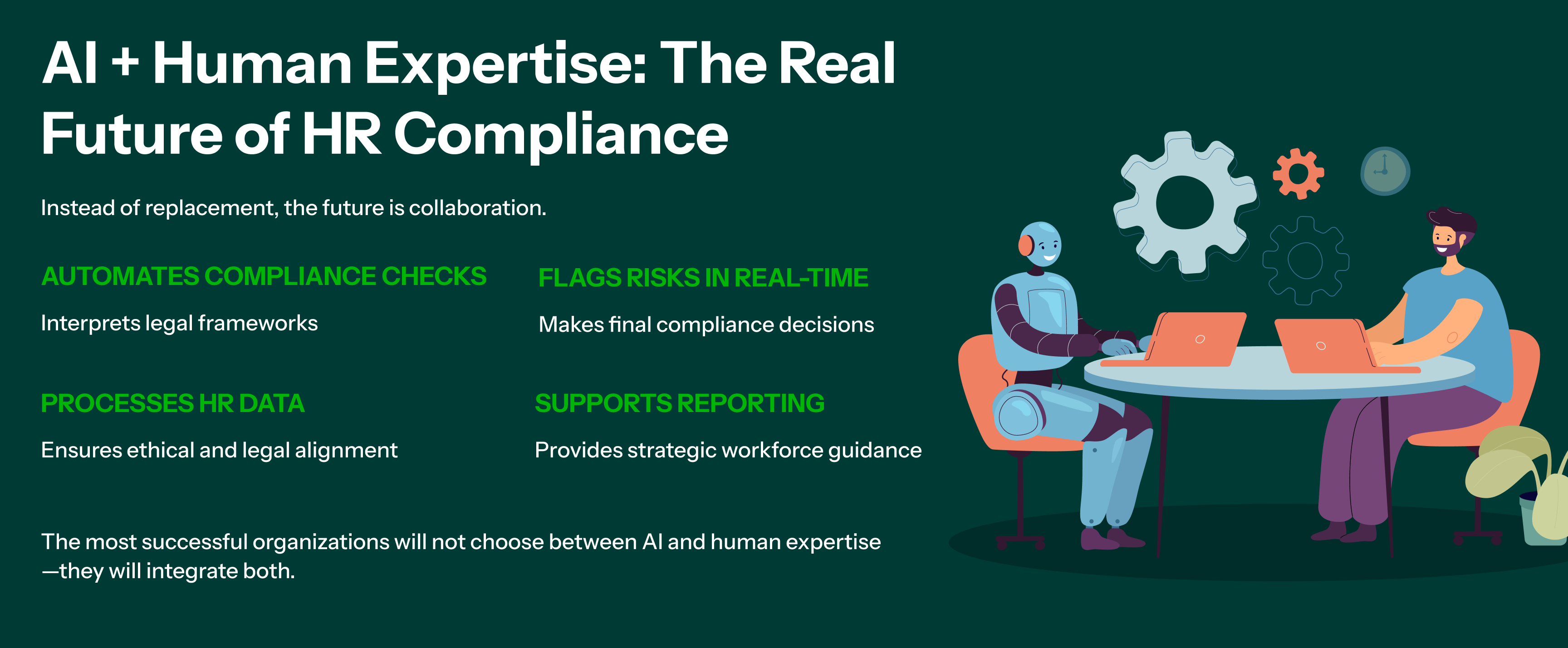
AI is reshaping HR compliance by improving efficiency, accuracy, and visibility. However, it cannot replace the legal responsibility, judgment, and cross-border expertise that PEO and EOR providers bring to the table.
In a global workforce landscape, compliance is not just about automation—it is about accountability, interpretation, and strategic execution.
This is why businesses partnering with providers like KuddleandCo are better positioned to scale safely, ensuring that AI enhances HR operations without compromising compliance integrity.